A Seasonal Roof Checklist for Tri-Cities Homeowners
Most roof trouble starts small. A few minutes each season, mostly from the ground, will catch it before it costs you.
September 30, 2026 · 3 min read
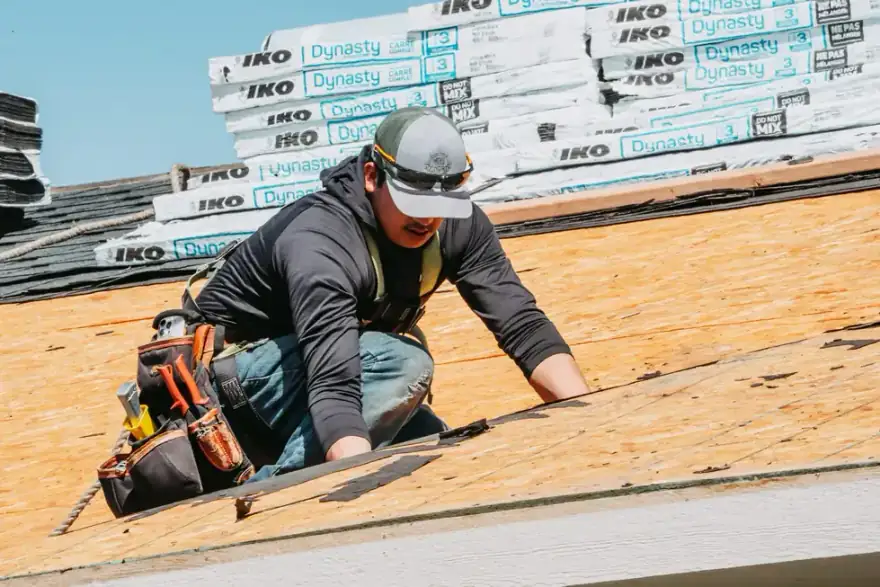
A roof is easy to forget because it sits where you rarely look. The trouble is that roofs in this region work through hot dry summers, cold snaps, wind and the occasional heavy snow, and small problems rarely fix themselves. This checklist is built around the four seasons of the Tri-Cities year. Nearly everything here can be done from the ground, from the attic or from a window, so there is no need to climb onto the roof. If something looks wrong, a professional inspection is the next step.
Spring: check for what the winter and the wind did
Start with a slow walk around the house. Look at the roof from every side and compare it to how it looked last fall. Spring winds in the region are a common cause of lifted or missing shingles, so this is the time to look closely.
- Shingles that are missing, lifted, creased or shifted
- Ridge and hip caps that look loose or uneven
- Flashing around chimneys, vents and skylights that has bent or pulled away
- Stains on ceilings and upper walls, or a musty smell in the attic
- Debris, branches or moss that collected over winter
Summer: UV, heat and what the sun does to a roof
Summer is when sun exposure does its slow work. Look for shingles that have curled at the edges, cracked or lost their granules, and for sealant around vents and flashing that has dried out and split. Check the gutters and downspouts for small granules, which are an early hint that the surface is wearing. Trim branches that touch or hang over the roof, since they scrape the surface in wind. If you have a flat or low-slope section, look for pooling water or cracks in the membrane after a storm.
Fall: gutters, branches and getting ready
Fall is the most valuable time for maintenance, because the next few months are the hardest on the roof. Clear the gutters and downspouts of leaves and needles, so that water can leave the roof edge instead of backing up under the shingles. Cut back overhanging branches and remove debris from valleys and from behind chimneys, where it holds moisture against the roof. Check that flashing and sealant are intact before the wet season begins.
Winter: snow load and ice dams
Snow varies a lot across the region, with more in places like Leavenworth and Chelan than in the Tri-Cities, so use your own judgment about how much your roof sees. After a heavy snowfall, look for sagging, new ceiling stains or doors and windows that suddenly stick. Do not climb up to clear snow, and be careful with roof rakes and anything that can scrape off shingles or pull them loose.
Ice dams form when heat escaping from the house melts snow on the roof, and the water refreezes at the cold eaves. The ridge of ice then holds back further meltwater, which can creep under shingles. The real fix is usually in the attic, where air sealing, insulation and ventilation keep the roof surface cold and even. If you see a thick ridge of ice along the eaves or icicles forming in heavy curtains, have the attic looked at.
Attic ventilation: the check that applies every season
A roof is only as healthy as the space underneath it. In summer, poor ventilation lets the attic bake. In winter, it lets moist air and heat build up, which feeds condensation and ice dams. On an attic visit, look for clear soffit vents, a working ridge or roof vent, insulation that is even and not compressed against the vents, and any dampness, mold or rusty nail tips on the underside of the decking. Those are quiet signs that air is not moving as it should.
When to call for an inspection
- After any strong windstorm, heavy snow or hail
- When you see stains, drips or daylight in the attic
- Before buying or selling a home
- When the roof is getting old and you want to know how much time it has left
- Any time something looks different from last season and you are not sure why
A&A Roofing Services in Kennewick offers free roof inspections and roof maintenance, and can also help when storm damage turns up on your checklist. Call 509-440-2428 to set up a visit.
A&A Roofing Services, 509-440-2428
Call 509-440-2428More articles
Wind Took Shingles Off Your Roof: The First 48 Hours
What to do, in order, when a windstorm leaves shingles in the yard and questions on the roof.
Roof Insurance Claims in Washington, Step by Step
From the first photo to the final repair, here is how a roof claim usually moves and where homeowners lose time.