Roof Insurance Claims in Washington, Step by Step
From the first photo to the final repair, here is how a roof claim usually moves and where homeowners lose time.
September 30, 2026 · 4 min read
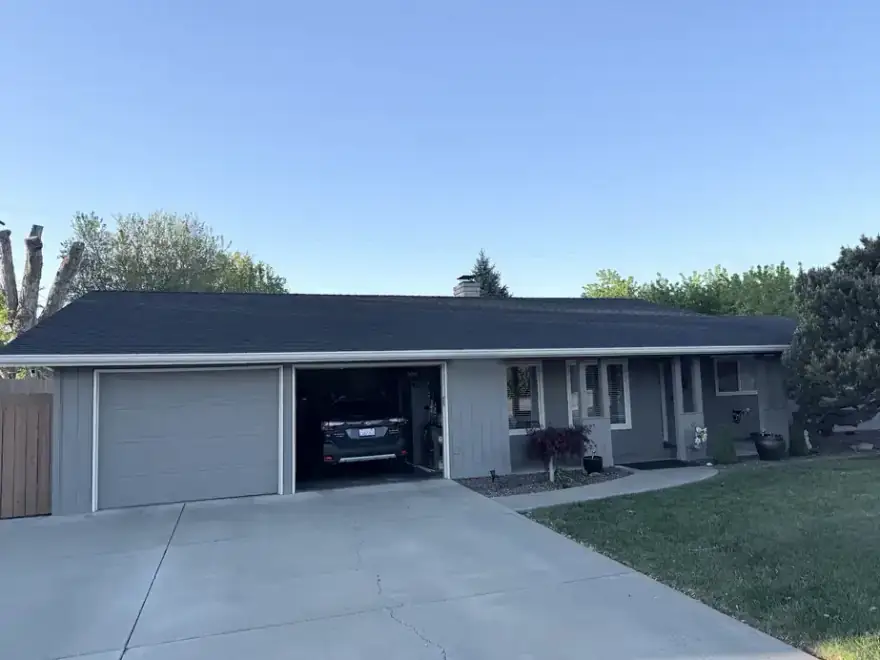
A roof claim feels like a paperwork problem sitting on top of a roofing problem, and homeowners often handle the paperwork first and the roof second. It works better the other way around. This guide follows a claim in the order things usually happen, from the first photo to the last repair. One caution up front: policies differ from company to company and from homeowner to homeowner, and nothing in this article promises that any claim will be covered or paid. Your policy is the document that decides, so keep it open while you read.
Start with your policy, not the phone
Before you call anyone, find your declarations page and the section on roof or wind and hail coverage. Look for your deductible, and check whether it is a flat amount or a percentage of the home's insured value. Look for any wording about the age or condition of the roof, and any separate terms for wind and hail. Policies treat storm damage, sudden leaks and long-term wear very differently, which is why the cause of the damage matters so much to everything that follows.
Step one: protect the home and document the damage
Your first obligation is usually to stop the damage from getting worse. That can mean a tarp over an opening, a bucket under a drip and moving belongings out of a wet room. Keep every receipt. Then document the damage thoroughly, before any cleanup, because photos taken on the day are the strongest record you will have.
- Wide photos of each side of the house, then close photos of each damaged area
- Photos of debris, fallen branches and anything that struck the roof
- Interior photos of stains, drips and wet insulation, with dates written down
- A short log of the storm date, what you noticed and when
- Receipts for emergency cover, cleanup and any items you had to move or dry
Step two: file the claim
Contact your agent or your insurer's claim line and report the damage. Give dates, describe what you saw and be factual. Stick to what you know, which is the storm date, what is visible and what you have photographed, and leave out guesses about cause or cost. You will be given a claim number. Write it on your folder and use it in every message. Ask what happens next, who your adjuster will be and how they prefer to receive documents.
Some policies set a time limit for reporting damage, so do not sit on it while you wait to see whether it gets worse. Reporting promptly also keeps the link between the storm and the damage easy to see.
Step three: the adjuster visit
The adjuster inspects the damage and records what they see, usually on the roof and often inside the house as well. Be there if you can, and have your photos and notes ready. Point out everything you noticed, including the small things. Adjusters see a lot of roofs in a day, and a short visit can miss what nobody mentions.
A&A Roofing Services lists insurance claims among its residential services, and the service is described as including documentation of the damage and communication with the adjuster. Ask your roofer whether they can meet the adjuster on the roof, because a roofer who is present can show exactly where the wind lifted a tab or where flashing failed. You still remain in charge of the claim, and the insurer makes the coverage decision.
Step four: get your own estimate
The insurer will produce an estimate of its own. It is worth getting a written estimate from a roofer you trust as well, then comparing the two line by line. Differences are common, and they are usually explainable: a line for ridge cap, flashing, underlayment, tear-off, disposal or decking that appears in one and not the other. If the insurer's scope leaves something out, your roofer can show the reason it is needed, with photos, and you can send that to the adjuster. Ask a clear question and expect a clear written answer.
Step five: approve repairs and keep the paper trail
Once the scope and the payment are settled with your insurer, schedule the work with your contractor. Keep the contract, the final invoice and the before-and-after photos with the claim file. If the crew finds hidden damage after the old roofing comes off, such as soft decking, tell your adjuster promptly and ask how they want it documented before anything is covered up. Do not assume a supplement will be handled automatically.
What slows claims down
- Waiting weeks to report damage, then struggling to show when it happened
- Cleaning up debris before photographing it
- Skipping emergency cover, so a small opening becomes interior water damage
- Losing the claim number or sending documents to the wrong inbox
- Signing paperwork you have not read, for any party
If you are dealing with storm damage and want an inspection report to bring to your insurer, A&A Roofing Services in Kennewick offers free roof inspections and help with insurance claims. Call 509-440-2428.
A&A Roofing Services, 509-440-2428
Call 509-440-2428More articles
Wind Took Shingles Off Your Roof: The First 48 Hours
What to do, in order, when a windstorm leaves shingles in the yard and questions on the roof.
Metal or Architectural Shingle for an Eastern Washington Home
Both can be a good roof here. The right one depends on your house, your priorities and how you weigh upfront cost against long-term use.